Press Release
Zoroastrianism in Iraq: A History Steeped in Antiquity and a Message of Peace to Promote National Diversity and Coexistence
October 29, 2026المكتب الاعلامي
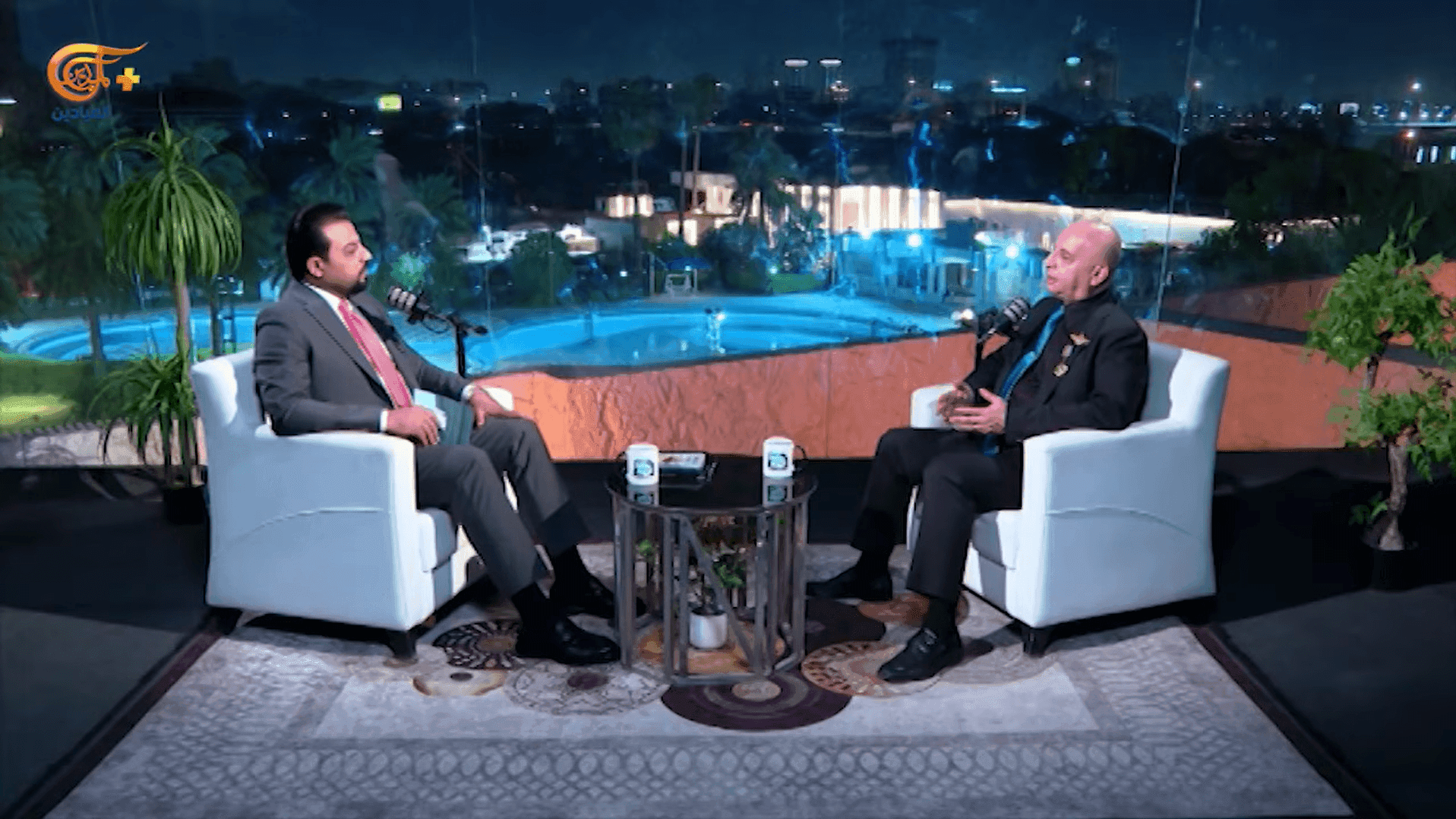
Within the framework of media coverage aimed at introducing the religious and cultural diversity in the lands of the Tigris and Euphrates, Dr. Haider Asfour, head of the Zoroastrian Faith Representation in Iraq, appeared in a televised interview on the program "Our Iraq Today" on the "Al-Miyadin Iraq" channel, on Friday, October 30, 2026, to highlight the historical roots of Zoroastrianism and its legal and social reality in Iraq.
Zoroastrianism in Iraq, a history steeped in antiquity and a message of peace to promote national diversity and coexistence
Within the framework of media coverage aimed at introducing the religious and cultural diversity in the lands of the Tigris and Euphrates, Dr. Haider Asfour, head of the Zoroastrian Faith Representation in Iraq, appeared in a televised interview on the program "Our Iraq Today" on the "Al-Miyadin Iraq" channel, on Friday, October 30, 2026, to shed light on the historical roots of Zoroastrianism and its legal and social reality in contemporary Iraq.
He emphasized during the interview that Zoroastrianism is one of the oldest monotheistic religions in the region, with an age of about 3,500 years, noting that members of this community spread across various Iraqi governorates and the Kurdistan Region constitute an authentic part of the national fabric and the diversity the country prides itself on.
The representation stressed the importance of positive governmental steps taken to support religious freedoms and minority rights, expressing its hope to complete these steps by enacting a constitutional text that grants the Zoroastrian faith full official recognition and its own endowments outside the region, in addition to including its members within the employment and institutional quotas to serve the nation.
The head of the representation also outlined the basic principles of the Zoroastrian faith based on "good thought, good speech, good deed," confirming that it is a philosophy that calls for peace, tolerance, and openness to the various components of the Iraqi people, where Zoroastrians participate with fellow citizens in various national and religious occasions.
Dr. Asfour concluded the interview by emphasizing the representation's efforts to strengthen religious and social diplomacy at both national and international levels, and to project an honorable image of religious freedom in Iraq, directing a message of love to all Iraqi people to uphold unity and brotherhood to build a better future for everyone.